
Vision:
"Women restore hope, wholeness and stability for self and children"
Mission Statement:
Mercy Center for Women is a sponsored ministry of the Sisters of Mercy and is committed to enhancing the dignity of each person we serve through healing of body, mind and spirit.
Mercy Center for Women provides
Safe and Supportive transitional housing, education and counseling for homeless women with or without children.
Connection with social service agencies and volunteers to form a network of ongoing support, mentoring and education to our residents and women in the community.
An environment based on spirituality and ethical values.
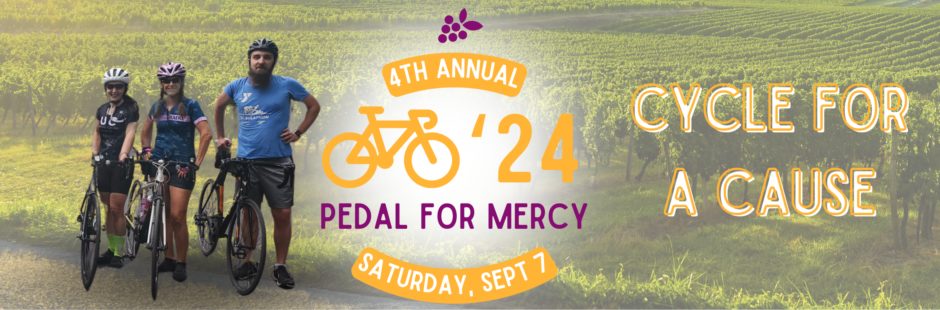
UPCOMING EVENTS:
Please scroll down for info

Audrey Hirt Butterfly Wall

You can purchase your tickets at MCW or call us at 455-4577 for your chance to win!

--------------------------------------------------------------------------

--------------------------------------------------------------------------

--------------------------------------------------------------------------
New! Mercy Center for Women is thrilled to be a beneficiary of ReedsJenss Jeweler’s “EMBRACE THE DIFFERENCE” program. For every purchase, ReedsJenss will donate $30 to the Mercy Center for Women. This is a great way to support of our vital programs for disadvantaged women and children on Mother’s Day or any occasion! For more information, click on the image below.

--------------------------------------------------------------------------

--------------------------------------------------------------------------

--------------------------------------------------------------------------

|
||
Average number of women per year: 30
Average number of children per year: 15
Total shelter nights: 7274
Average cost per resident per day: $185.03
Budget: $1,211,966
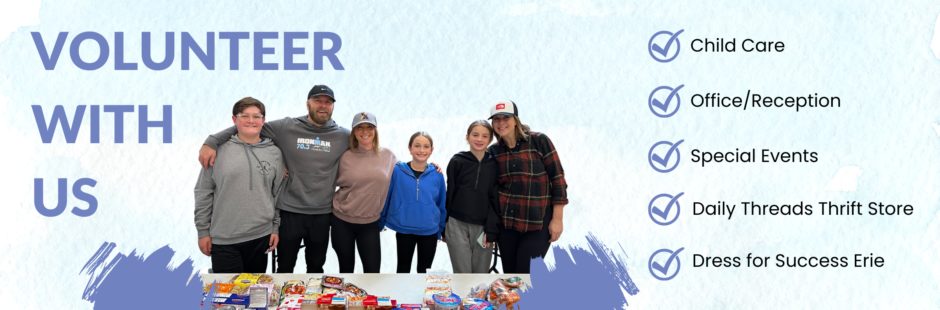
Number of volunteers: 391
Number of volunteer hours: 8,755
Value of donated services: $182,022
60% Caucasian
35% African American
5% Hispanic
52% of our residents were homeless due to drug and alcohol addiction
25% were making transition from prison or were on parole
15% were leaving abusive relationships
18% were jobless and lacked financial resources